
Yunzhu New Materials logo
Oil-based concrete release agent with precast concrete products showing smooth demolding
Oil-based concrete release agent with precast concrete products showing smooth demolding image
Precast bridge pier using concrete release agent with smooth surface image
Bridge deck using concrete release agent with smooth finish image

Industrial Oil Based Precast Concrete Release Agent

This Is An Oil-Based Precast Concrete Release Agent, (Eco Type). It Is Especially For Large Components And Complex Molds. It Effectively Prevents Mold Rusting, Reduces Sticking, And Eliminates Honeycombing (Air Bubbles),Pitting, And Color Variations On The Concrete Surface, Leaving A Smooth, Even Finish.

Leave a Message

Product Advantage

  • Designed for complex high-rise and uniquely shaped concrete molds, Ideal for challenging precast concrete elements.
  • Eliminates bubbles and surface defects,Improving the quality of finished products.
  • Prevents color variation ,This non-staining release agent ensures consistent appearance.
  • Maintains an attractive finish,Achieving a clean concrete (fair-faced) effect.
  • No Dilution Required,Covering up to 20 m² per kilogram, saving material and reducing production costs — a truly cost-effective release agent.
  • Protects molds,This anti-corrosion release agent prevents rust and extends mold life.
  • Reduces waste and material loss,Offering high cost-performance.
  • Eco-friendly and biodegradable, VOC-free,Compliant with green production standards.
  • Minimizes mold cleaning time,Lowering maintenance costs.

Product Parameters

Model
PC-502
Origin
China
Applications
Various Precast Concrete Elements, Large Bridges, High-Rise Precast Panels, Complex-Shaped Molds, Stairs, Etc.
Properties
Oil Based Release Agent,Sacrificial Release Agent
PH
6--8
Dilution Ratio
No Dilution Allowed
Flash Point
> 93°C
Freezing Point
-7℃
Use Temperature
Normal Temperature
Package
50kg/barrel,200kg/barrel
Storage
Store in a cool, dry place indoors
Transportation
7-20 days
Shelf Life
12 months

How to Use

  • 1
    Clean The Mold : Remove any concrete residue from the mold surface.
  • 2
    Apply To Mold : Use a roller or spray to coat the mold evenly.
  • 3
    Pour Concrete : Allow to dry before pouring concrete.

Certificate

water-based-release-agent-sgs-certificate.webp certificate
SGS certified water-based release agent

FAQ

  • Are you a factory or a trading company

  • What types of concrete release agents do you offer?

  • How do I solve difficult demolding and concrete sticking issues?

  • How can I eliminate air bubbles (blowholes) and pitting on the concrete surface?

  • Which mold types are your products compatible with?Is it suitable for wooden formwork?

  • What are the benefits of using an oil-based release agent (shuttering oil)?

  • Do you have solutions for complex or irregularly shaped concrete molds?

Related Articles

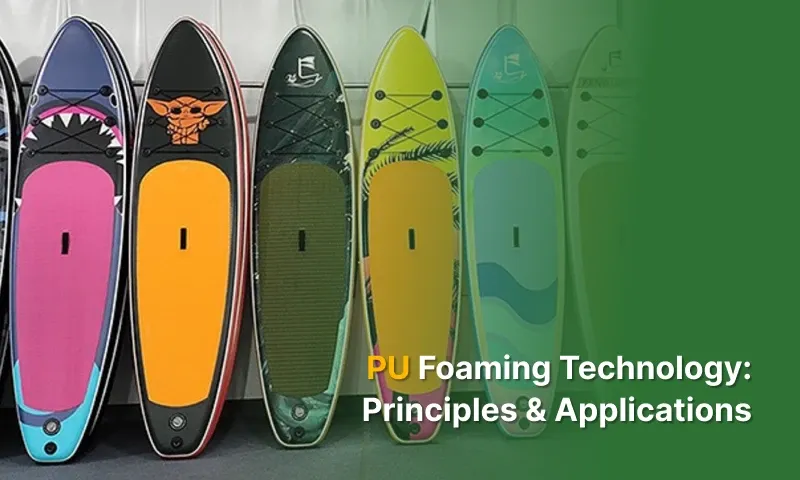
PU Foaming Technology:Principles & Applications

PU Foaming Technology:Principles & Applications

With the continuous advancement of materials engineering and industrial manufacturing, lightweight, high-performance, and functionally integrated materials have become key development trends across industries. Polyurethane materials, known for their high design flexibility and wide performance adjustability, show outstanding value in foaming applications. Polyurethane foaming technology enables weight reduction and energy efficiency while maintaining excellent mechanical properties, and plays a critical role in industries such as automotive, construction, electronics, and sports equipment. This article provides a systematic overview of the basic principles, production processes, and typical applications of polyurethane foaming technology in composite materials, helping readers better understand its technical characteristics and industrial prospects.
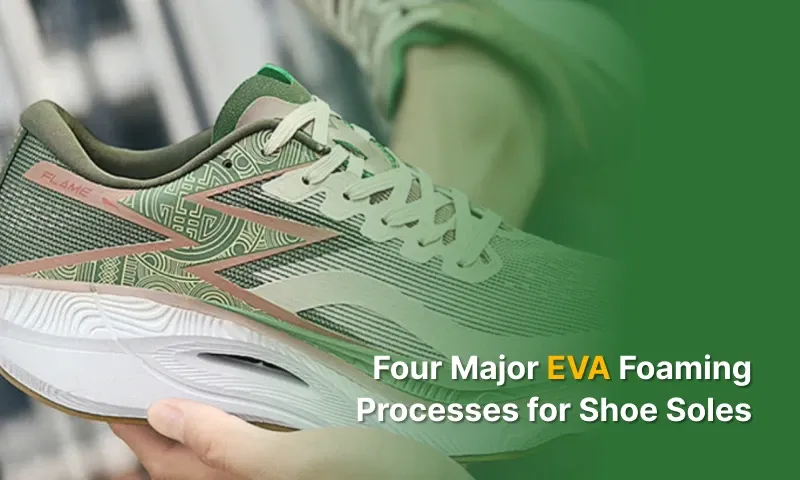
Four Major EVA Foaming Processes for Shoe Soles

Four Major EVA Foaming Processes for Shoe Soles

EVA (Ethylene Vinyl Acetate) is widely used in footwear manufacturing due to its lightweight properties, excellent resilience, and good processability. With the continuous upgrading of footwear performance requirements and manufacturing technologies, EVA sole foaming processes have gradually become more diversified and mature. At present, the mainstream EVA foaming processes in the industry mainly include **traditional flat-sheet foaming, in-mold micro foaming, injection crosslinked foaming, and supercritical foaming**. Each process has its own characteristics in terms of foaming mechanism, product performance, and production cost, which directly affect the appearance quality of shoe soles and their suitability for subsequent processing. A thorough understanding of the characteristics and differences of these four EVA foaming processes is the foundation for achieving stable production and high-quality EVA shoe soles.

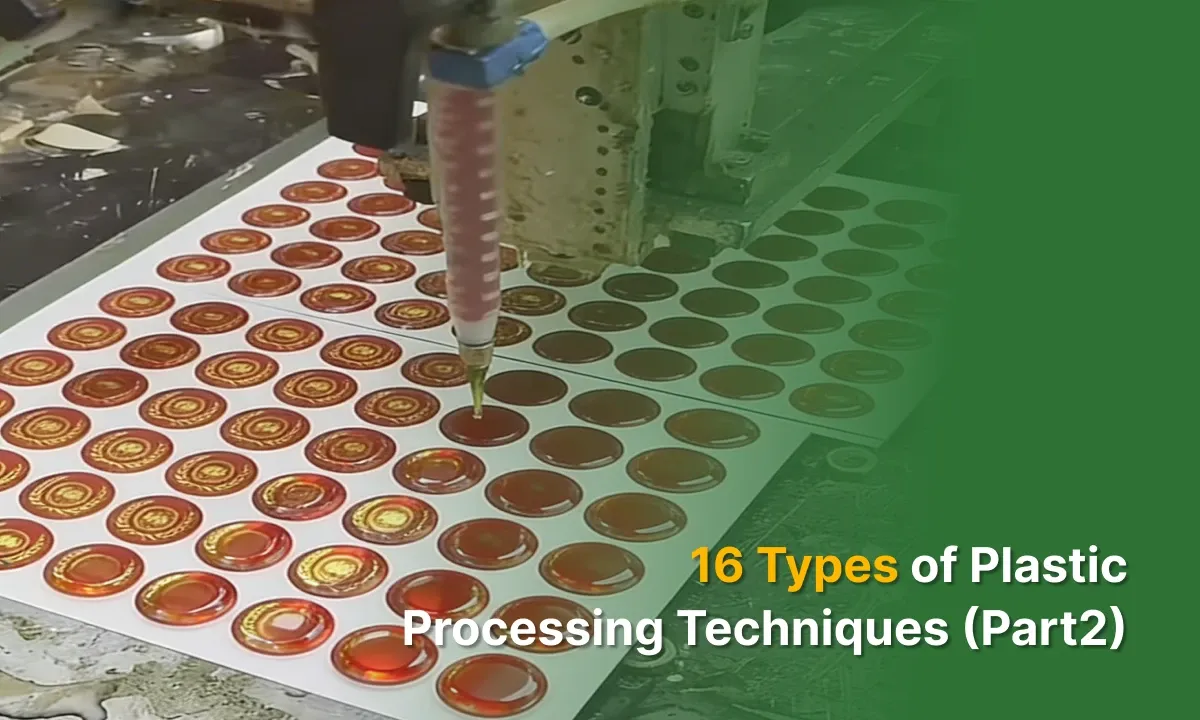
16 Types of Plastic Processing Techniques (Part 2)

16 Types of Plastic Processing Techniques (Part 2)

In last week’s blog post, we introduced eight plastic processing techniques. In this article, we continue with another eight methods, and we hope you find them helpful and informative.

Copyright © 2025 Powered by Yunzhu – Release Agent Manufacturer.
YUNZHU is a leading release agent manufacturer in China,specializing in custom-designed mold release solutions for various industrial applications, ensuring high-quality and reliable performance for global customers.
WhatsApp